Working with Quasar (Vue.js based) is a bliss for Web UI / SPA / etc… development. Especially is you use Vite, for the speed of site build. I highly recommend it. Now vercel makes it super easy to host and test your app online. Here is a little problem I encountered, so I’m sharing (so that the monster Internet search engines that swallow everything can index this little helper blog
code
December 20, 2021
Machine Learning / Deep Learning talks at /tmp/lab
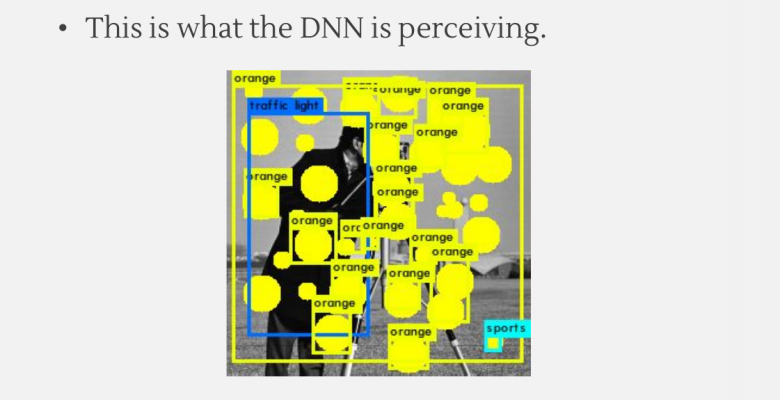
We’ve had some great talks this weekend and for once we recorded that! Nizar Ouarti spoke about perception, natural and artificial with a nice introduction to Deep Learning. Hedi Soula told us about a university research he participated in which aimed at recognizing amongst a group of birds every individual based on their song. Thanks to Nizar and Hedi again for their time and kindness. Here’s the audio + screencast
October 15, 2020
Résidence SONOPTIC : le debrief productif
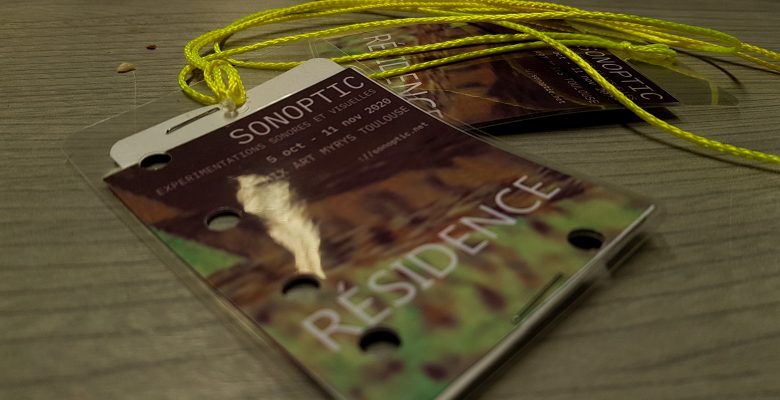
La résidence SONOPTIC, dont nous avons fourni un compte-rendu ici pour les aspects collaboratifs, a été une période de production assez intense pour la Teamlaser composée de membres du Fuz et du /tmp/lab. Nous allons exposer ce travail afin que toutes et tous puissent profiter des outils que nous produisons via liens et explications.
September 8, 2019
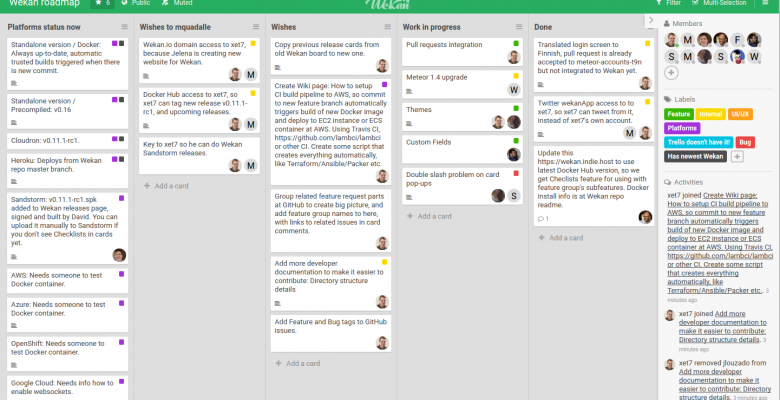
Installer et utiliser Wekan pour les projets collectifs
Vous voulez tester Wekan sur une instance ouverte au public ? Ou installer Wekan sur un serveur Debian ? En avant.

August 4, 2016
PSESHSF
It was fun. Conferences torrents are here. Consumers can watch them on youtube or https://www.pseshsf.org/fr/archives-et-videos/
June 13, 2015
One-Liner Bash-Based Continuous Integration (OLBABACI)
It’s all about CI these days: Jenkins, Buildbot, numerous SaaS service embedding these fine FLOSS and hoping for a recurring credit card based subscription,… and for a reason. Continuous Integration allow for quicker feedback, shorter dev iterations, better communication. The principle is simple: as soon as their is a change in code, configuration, datasets, automatically retest the whole application and send automated output (and diffs from previous runs, dashboard, etc..)

August 5, 2014
VM images of Ubuntu Server 14.04 LTS (Trusty Tahr) with Vagrant and Docker Containers
This article is an update to https://ochronus.com/docker-primer-django/ post for Ubuntu Server 14.04 LTS (Trusty Tahr). TL;DR if you’re lucky and everything is installed right and you don’t want to understand deeper, try: vagrant init ubuntu/trusty64 vagrant up First, let’s install Vagrant on the host computer (a MacOS X Mavericks here, using Homebrew Cask that can install binary install packages): brew cask install vagrant Then let’s create a directory where we’ll store the
May 21, 2014
Filtering Chrome bookmark export (fucked up format) to make it grepable
Have you witnessed something about Chrome: it’s great to work with, it sucks to export from it. Well, here is a simple example. If you export your bookmarks, you’ll be stuck with the following garbled output which cannot be nicely grepped for: […] <DT><A HREF=”https://github.com/robotframework/Rammbock” ADD_DATE=”1353218622″ ICON=”data:image/png;base64,iVBORw0KGgoAAAANSUhEUgAAABAAAAAQCAYAAAAf8/9hAAACB klEQVQ4jYVRPYsUQRB93TPTY+/OXH/MDeuCmAhmguGq6weGB6aCwQWG3g8QTMzMjeRQweACDUTxD4j eIQYmgj/gEIXz3NuPg5ndWXtn2sDtY1w890XV1a9evaoiWEAURVeCILhFKb0Oa9sAAEL2qqp6a4x5n mXZdp1ParGXSPnMD4L1RdE6ZsZs9Uej2wDKuoCntd4JPO/C/4odTFl+HAwGlwGUHgAkUm4Fvr9mjNn OJ5Obo8PDPep5pwghvcravgWi3sHBvXw8vh8ydjbw/e4Jxs5MiuIVOOedVpraVppapdSmWwWARn01z q1SatPxOecd2gjDDceaTqdP52EGYFwTyABYADDGvHDJRhhuUEJpFwBmZfmrqqr+svlns9luWVVTACC UdikIcaf6URTF7jKBoii+WmB/XtOmzhoAAYAuEwBAYa2cx5Za4BsA+JQKKeWNZdVxHK/5nreCP52/U 2rtTmUt9nu9ElX1Mub80rHFnF8MGXvi3tbad2g2m+dFLCyAKYA+pdQSQsac844j+r5/jRDSc+ernf0 czfP8cxAGj1tpyiLgKud8fSWKPjHGfjoBxlgmhFituzFl+XA4HH45Smgp3ydaD5RSpwFI/I14NUly1 zlR6vU/Z0yS5FGi9SzRug+gXfs6eWRbiAfHrxiAEuKu1voDAO1yQgiVSPlGKXVnkf8bOtGzSzGU1hQ AAAAASUVORK5CYII=”>robotframework/Rammbock</A> […] So grepping this means you’ll get plenty of matches from the data
October 18, 2011
PdTmpLab~
Bonjour à tous, Une seconde rencontre autour de Pure Data aura lieu à la “Gaîté Lyrique”, jeudi prochain (le 20 octobre) dans le cadre des rendez-vous du tmp/lab. Ces rencontres autour de Pure Data auront lieu désormais tous les jeudis soir vers 19h00. Elles auront pour objet de permettre l’échange des expériences, une incitation à pratiquer ensemble, les démos de projets en cours, des initiations ponctuelles sur la prise en

September 8, 2011
Insert Language of Choice au /tmp/lab
Des workshops ouverts pour s’initier à la programmation ou à un nouveau langage auront lieu au /tmp/lab de Vitry-sur-Seine, 2 fois par mois. Formule open, langage au choix : Chacun choisit le langage de son choix Convivialité, échange, discussion, comparaison des langages et solutions Possibilité pour chacun de continuer chez lui via le site www.codechef.com Pourquoi Codechef ? nombreux langages ( C C99 strict C++ PAS gpc PAS fpc JAVA
June 14, 2011
Rails: Compare installed Gems
A difficult issue with Rails is managing the installed gems between development and production environment. Here is a little method i found to solve my gem comparison problems when i have a lot of different gems, let’s say between my development machine and the production environment at say DreamHost. First I collect the installed gems on both machines: [penguins]$ gem list –local > /tmp/dh.gem … devmachine:~/dev/web/ $ gem list –local
April 26, 2011
Workshop Lua à la Gaîté Lyrique par le Fabelier, 28/04/11
Lua Programming Language By Julien Danjou Julien Danjou will present a Workshop on Luaprogramming language at Fabelier, April 28th at 7pm . This Workshop will be hosted at “La Gaité Lyrique” (where ) Lua is a lightweight multi-paradigm programming language designed as a scripting language with extensible semantics as a primary goal. Lua has a relatively simple C API compared to other scripting languages. It’s used by World of
March 12, 2011
Physical Computing Workshop: Arduino Introduction
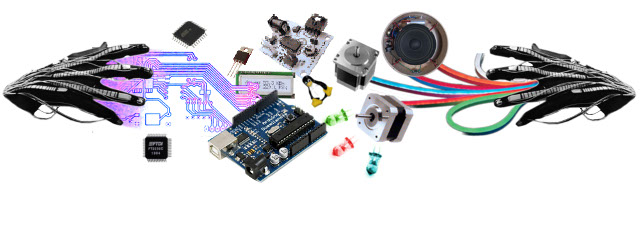
français ci-dessous. A physical computing introduction will be presented by Metakinetik for the tmplab meeting at la Gaîté Lyrique, Thursday March 17th. Artist-technician Jason Cook will present basic examples using the Arduino environment and prototyping boards. Examples will include “hello world,” analog light and motor control using PWM, and use of analog sensors. Examples of artists and technicians currently working with the Arduino technology will be discussed. Where and how
February 18, 2010
Milkymist 0.3 release announcement
It is with great excitement that I am announcing the release of Milkymist 0.3. This release marks a significant milestone for the project: since now, it’s no longer tens of thousands of lines of code for nerds only. It’s also an actual MilkDrop implementation, rendering good-looking visual effects that EVERYBODY can appreciate. But, see for yourself. If you have a Xilinx ML401 board, grab your JTAG cable and fetch a
December 17, 2009
OpenWrt/Milkymist coding party, Dec 21st 17:00
A workshop/coding party will take place at the /tmp/lab in order to finalize the porting of the OpenWrt Linux distribution to the Milkymist open hardware system-on-chip. Every interested person is welcome. Venue: http://www.tmplab.org/contact Date: Monday Dec 21st 2009, starting at 17:00 UPDATE!!!! Because the train that goes to /tmp/lab has suddenly broke down, the event is moved to DigitalNonSense (Paris 17) at 19:00